Why I Started Paying Attention to Where My Food Comes From
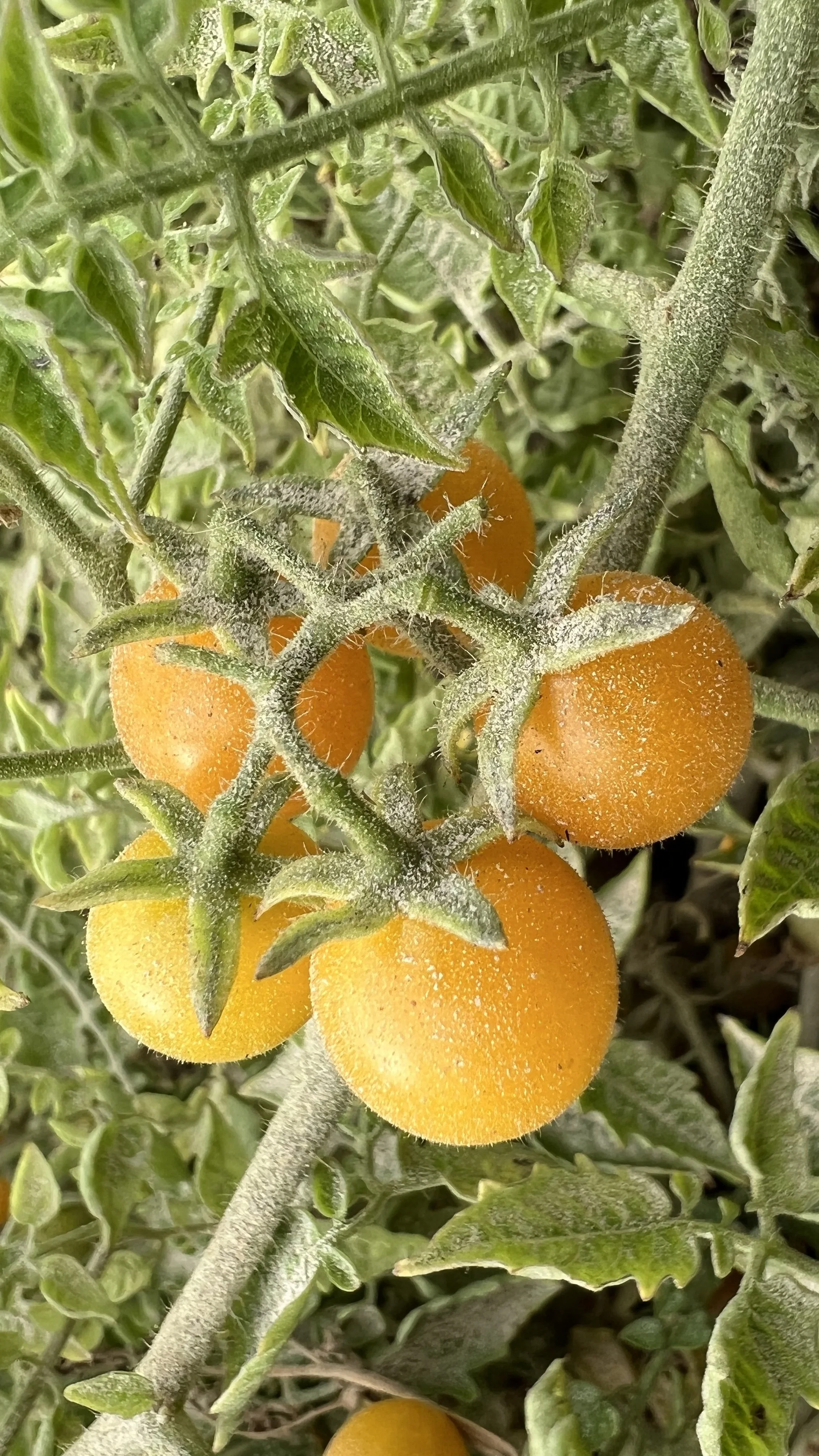
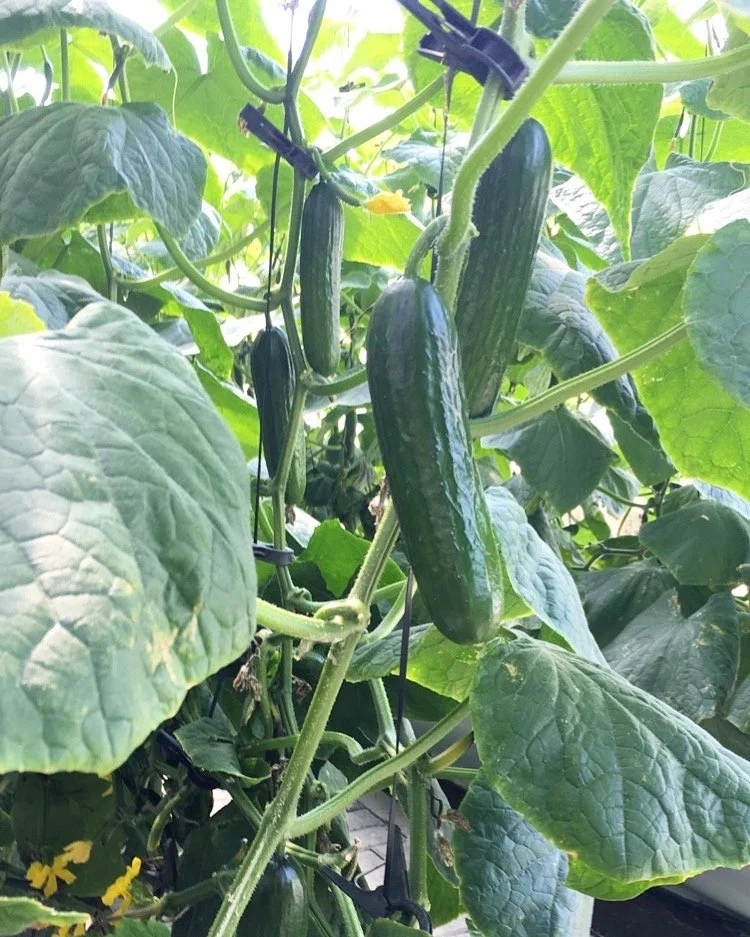
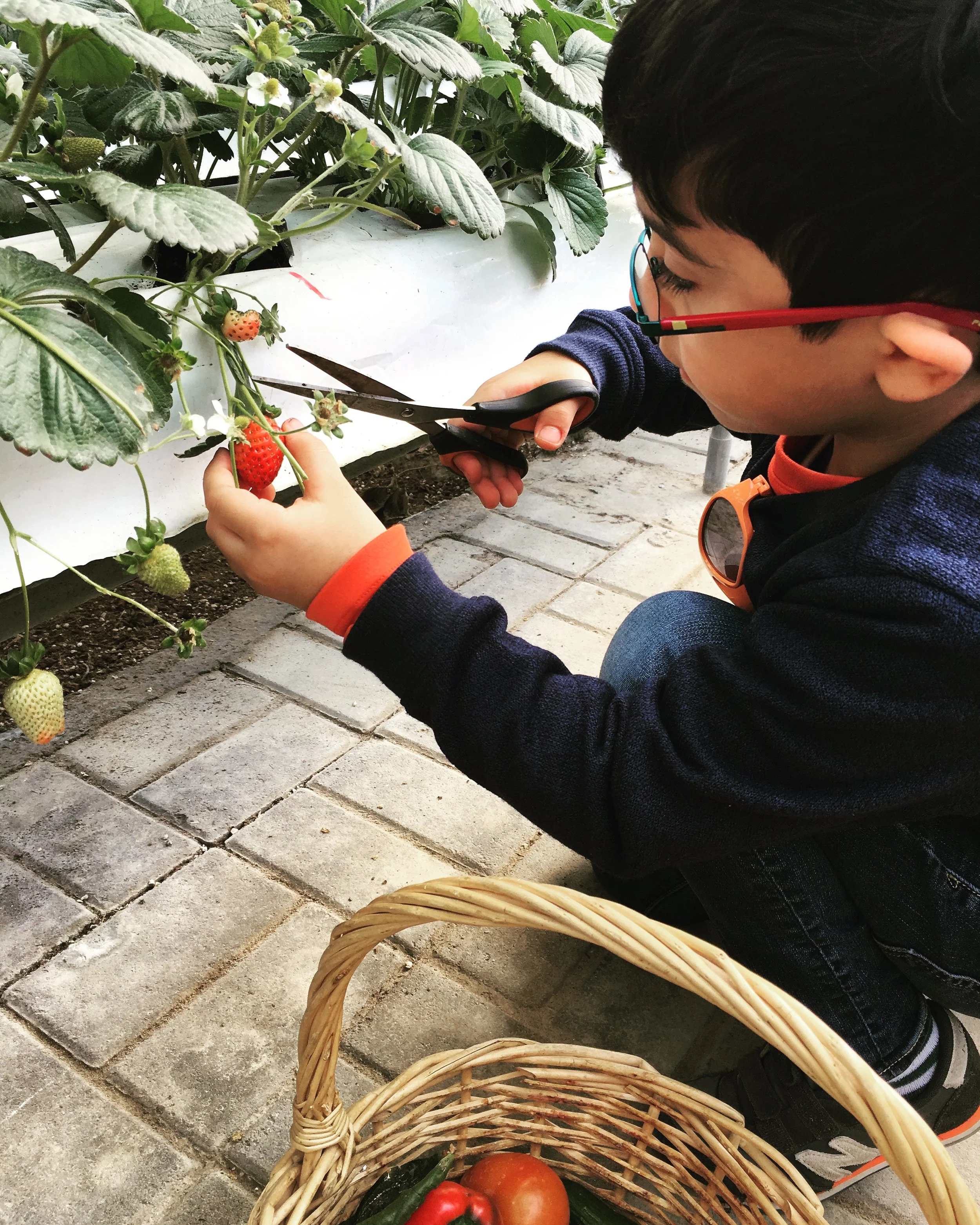
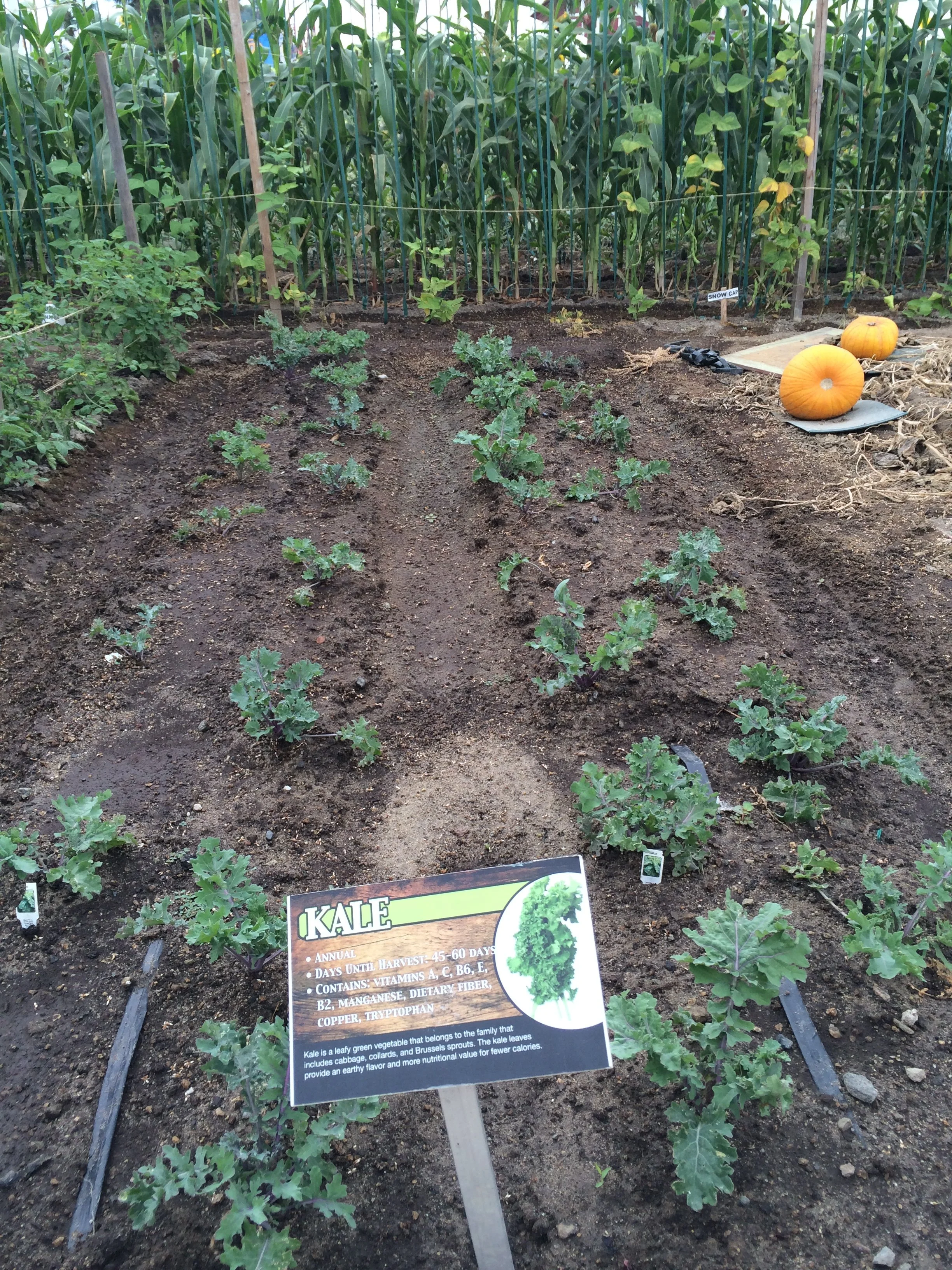
One of the subjects that completely fascinated me while doing my Integrative Nutrition certification a few years ago was the idea of eating locally.
Before then, I thought I understood the benefits. You're supporting local farmers and the local economy, and your food hasn't traveled halfway around the world. All good reasons.
What I hadn't really thought about was what happens to our food between the farm and our plate.
Fruits and vegetables don't stop changing the moment they're picked. They remain biologically active after harvest, and time, temperature, storage and handling can affect their nutritional quality. Some nutrients are more stable than others, but research shows that levels of certain nutrients, including vitamin C, can decline during storage.
Think about the journey of something imported. It's harvested, packed, transported, stored, shipped or flown to another country, distributed to a supermarket and may sit there for several more days before we buy it. Then it probably spends some time in our fridge.
That doesn't mean imported produce isn't nutritious. Of course it is. But the shorter the journey from farm to plate, the greater the opportunity to eat produce closer to when it was harvested, before some of those nutritional changes have had as much time to occur.
That was the part that really stayed with me.
Science doesn't say that everything labeled "local" is automatically more nutritious. Variety, growing conditions, ripeness at harvest, storage and handling all play a role. But research does show that post-harvest storage can affect certain nutrients. So, given the choice between something freshly harvested nearby and the same produce that has spent considerably longer in transport and storage, I have another very good reason to choose local.
For me, the lesson was simple: freshness matters.
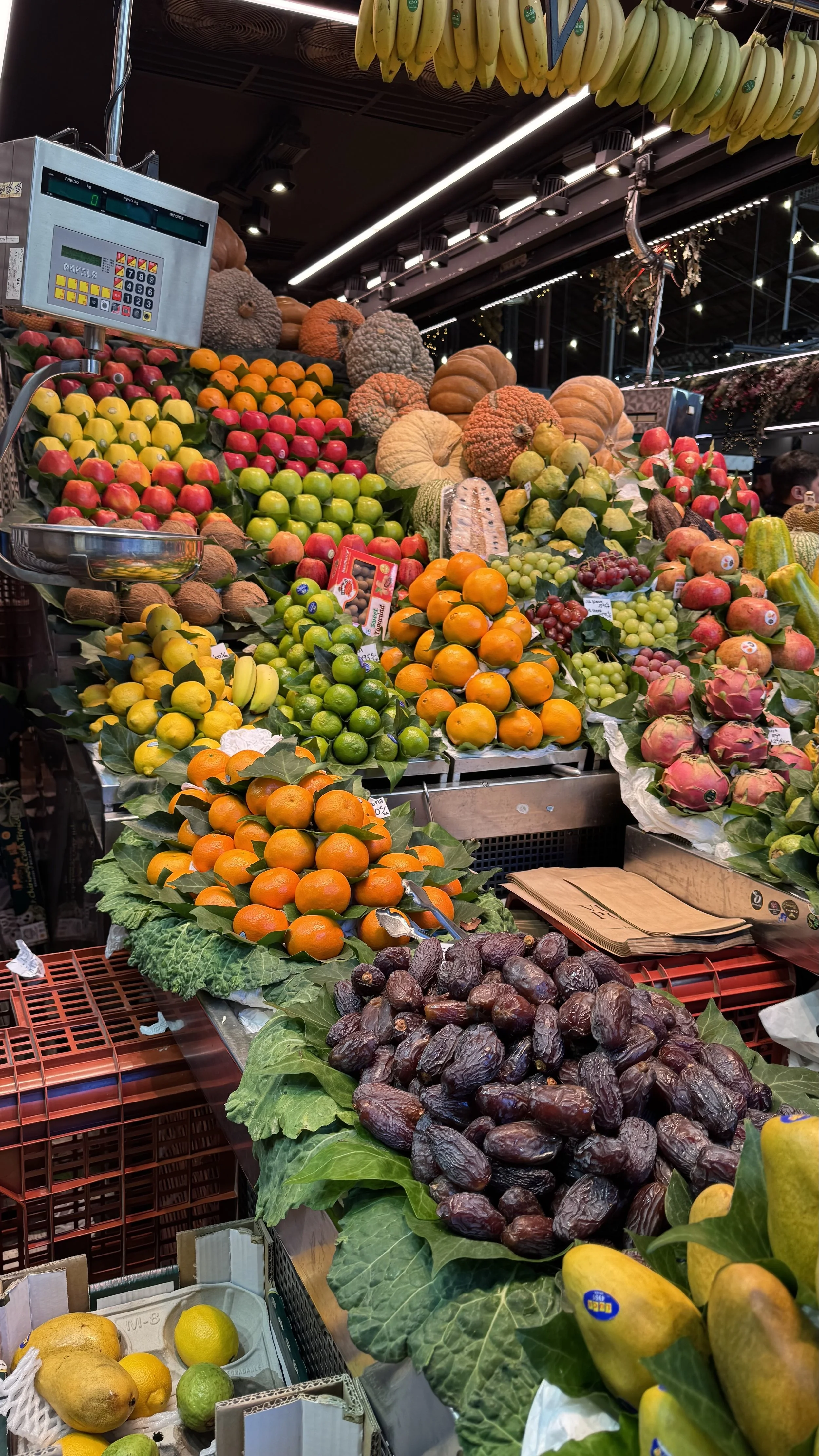
It's also one of the reasons I love farmers' markets when I travel. Yes, they're lovely to wander around, but they're also one of my favorite ways to experience a destination. I want to see what's growing locally, what's in season and what everyone is buying. And I always encourage eating there too. Farmers' markets often have stalls and small restaurants serving food made with fresh, seasonal ingredients, and for me, that's part of experiencing a place.
We've become so accustomed to supermarkets giving us almost everything year-round that it's easy to forget food has seasons.
None of this means I've stopped buying imported produce. Living in Bahrain, that would be completely unrealistic. And eating fruits and vegetables, wherever they're grown, is far better than avoiding them because they aren't local.
Now, when I have a choice between something grown locally and beautifully fresh and something that's traveled thousands of kilometers to reach me, I'll choose local.