Book Review: Cortisol Fix
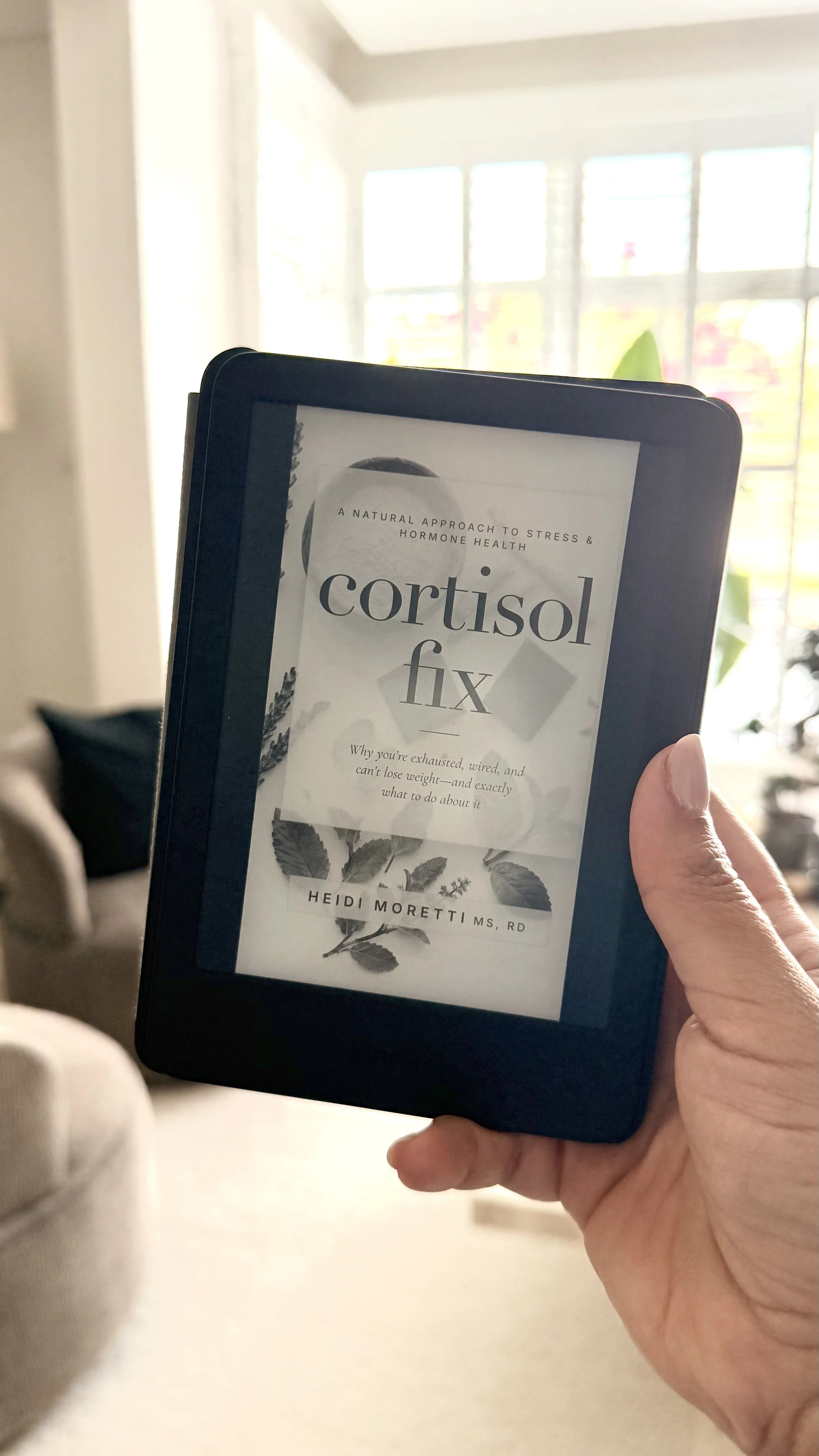
Every once in a while, I read something that genuinely changes the way I think about my everyday habits.
Cortisol Fix by Heidi Moretti was one of those books.
So why did I pick it up in the first place?
Cortisol suddenly seemed to be everywhere on social media. My feed was full of guides, symptoms, morning routines, supplements, things you should eat, things you shouldn't eat, and endless tips on how to "fix" your cortisol. The more I saw, the more confused I became.
So I started reading about it properly.
As I did, I recognized some of the things being discussed. Disrupted sleep. Stubborn weight. Waking up tired even after what should have been a decent night's sleep. Add to that the uncertainty and tension we've been living through in this region over the past few months, alongside work, family, responsibilities and life in general, and I became genuinely curious about what cortisol actually does and whether there were small things I could be doing differently.
Rather than take my health advice from an Instagram reel, I decided to read a book about it.
I downloaded Cortisol Fix on my Kindle expecting to pick up a few useful tips and move on. Instead, I found myself highlighting page after page, thinking about things I do every day without giving them a second thought.
The book looks at cortisol through the lens of nutrition and lifestyle, and what I liked most was how practical it felt. There is a lot of information in there, from food and supplements to herbs, sleep, gut health and daily routines, but it didn't leave me feeling like I needed to completely overhaul my life. Instead, I came away thinking about small changes that could easily become part of my day.
One of my biggest takeaways was magnesium glycinate at night. Magnesium wasn't new to me, but understanding more about the different forms and when to take them made me look at it differently. It's now one of those little evening habits that makes sense to me rather than something I'm taking simply because I've heard it's good for you. I’m currently at 180mg per night and considering upping it. Disclaimer: Not a doctor, research and consult with yours first!
Another interesting takeaway was saffron. The book talks about incorporating it into food, while chamomile is discussed separately as part of an evening routine. I decided to combine the two. A few strands of saffron steeped in chamomile tea, and honestly, the flavors complement each other beautifully. It has now become one of my favorite ways to wind down in the evening, and a little ritual I genuinely look forward to.
And then, of course, screen time.
We all know we spend too much time on our phones, but reading about the relationship between our evening habits, sleep and the body's natural rhythms was one of those uncomfortable reminders I probably needed. I'm much more conscious now of what I'm doing in that last hour before bed. Am I actually winding down, or am I lying in bed scrolling through Instagram while telling myself I'm winding down?
There were plenty of other eye-openers throughout the book, particularly around nutrition, meal timing and the way seemingly small everyday choices can add up. I didn't agree with or adopt absolutely everything, and I don't think that's the point of books like this. For me, the value was in becoming more aware.
I finished it feeling like I understood my body a little better.
And perhaps that's why I'd call this one mind-altering. Not because I closed the book and changed my entire life overnight, but because I'm still thinking about it and I've actually changed some of my habits because of it.
Those are the books worth reading.
Definitely one for the Kindle.